Source Microfiber Hotel Flat Sheet for Hotels, Homes, Hospitals
Compare 30 microfiber hotel flat sheet options from verified suppliers. These woven polyester sheets feature solid patterns, plain styles, and customization support for home, hotel, and hospital use with thread counts ranging from 200 to 1800; compare the available evidence and request quotations based on your requirements.
Key considerations
Products List




Comprehensive Sourcing Guide
Microfiber Hotel Flat Sheet Sourcing Guide
Procuring microfiber flat sheets for hospitality environments requires a disciplined approach to material verification and supply chain transparency. Buyers must prioritize suppliers who demonstrate consistent manufacturing capabilities, particularly those originating from established textile hubs like China, where production volume and technical expertise often converge. The decision to source from this region should be balanced against logistical considerations, ensuring that lead times and shipping costs align with your operational budget. It is essential to evaluate the supplier’s ability to maintain quality control across large batches, as consistency in fabric weight and weave density directly impacts guest satisfaction and linen lifecycle management.
Beyond geographic origin, the commercial relationship hinges on clear communication regarding customization and branding. Many manufacturers offer private labeling and custom packaging solutions, which are critical for maintaining brand identity in upscale hotels and hospitals. Buyers should verify the extent of these customization options, including the acceptance of specific labels and the flexibility in packing methods, such as poly bags or cartons. Establishing a robust communication channel early in the sourcing process helps mitigate risks associated with miscommunication, ensuring that the final product meets the precise aesthetic and functional requirements of your property’s housekeeping standards.
Product Scope and Observed Listing Signals
The market for microfiber flat sheets presents a diverse range of options, with observed price points varying significantly based on material composition and thread count specifications. Listings often highlight features such as super softness, lightweight construction, and high-quality competitive pricing, which are key selling points for budget-conscious procurement teams. However, buyers must critically assess these claims, as some products may list conflicting attributes, such as 100% polyester versus 100% cotton, or varying thread counts like 200TC versus 1800TC. This discrepancy suggests that the market includes both standard synthetic blends and premium high-density weaves, requiring careful filtering to identify products that match your specific durability and comfort needs.
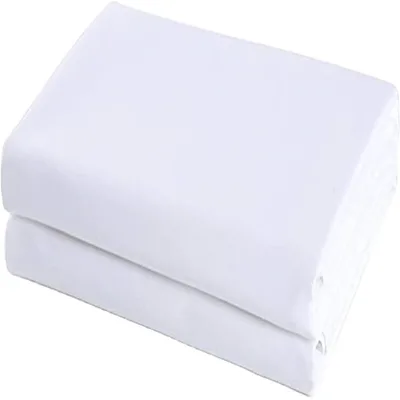
Minimum Order Quantities (MOQs) also vary widely, ranging from small trial orders of single pieces to bulk requirements of up to 8,000 units. This flexibility allows buyers to test new suppliers with low-risk initial purchases before committing to large-scale contracts. Additionally, sample times are typically short, often around three to four days, facilitating rapid evaluation of fabric hand-feel and color fastness. Buyers should leverage this agility to request physical samples, verifying attributes like the solid white pattern, plain style, and woven technics firsthand. Understanding these listing signals helps in narrowing down the supplier pool to those who can meet both your volume requirements and quality expectations.
Technical Specifications to Verify
Material composition is the most critical technical specification, with many listings specifying 100% polyester microfiber, which offers durability and easy care. Buyers must confirm the exact fabric type, such as pongee or brushed microfiber, as this affects the sheet’s softness and breathability. The thread count is another vital metric, with observed values ranging from 200TC to 1800TC, indicating a wide spectrum of fabric densities. It is essential to verify the fabric density, often listed as 133 * 60, to ensure the sheet is robust enough for commercial laundering without tearing. Misinterpretation of these technical details can lead to purchasing sheets that are either too thin for heavy use or too stiff for guest comfort.
Size and weight specifications must also be meticulously checked to ensure compatibility with existing inventory and laundry equipment. Standard sizes like Twin, Full, Queen, and King are commonly available, but buyers should confirm the exact dimensions to avoid fitting issues. The single gross weight of products can vary, with some listings indicating 3.000 kg, which may seem high for a single sheet and suggests potential packaging weight inclusion. Buyers should clarify whether the weight refers to the net product or the packaged unit. Additionally, verifying the color fastness grade, typically observed as 3-4, ensures that the white sheets will resist yellowing or fading after repeated industrial washing cycles.
Compliance and Safety Documentation
While specific certification statuses are not always explicitly detailed in general listings, buyers must proactively request documentation to ensure compliance with health and safety standards. For hotels and hospitals, it is crucial to verify that the microfiber fabric meets flammability and chemical safety regulations relevant to your region. Buyers should ask suppliers for test reports on color fastness and fabric integrity, as these documents provide objective evidence of product quality. Without such documentation, there is a risk of procuring sheets that may degrade quickly or fail to meet institutional hygiene protocols, potentially leading to guest complaints or regulatory issues.
Labeling and branding compliance is another area requiring attention, especially for private label orders. Buyers must ensure that the supplier can accommodate custom labels that meet local textile labeling laws, including fiber content and care instructions. The ability to accept custom private labels is a common feature, but the accuracy and legality of these labels must be verified. Additionally, buyers should confirm that the packaging materials, such as poly bags or cartons, are safe and appropriate for storage and transport. Ensuring that all documentation is in order before placing large orders helps prevent delays and ensures that the products are ready for immediate deployment in your facilities.
Cost Drivers and Commercial Terms
The cost of microfiber flat sheets is influenced by several factors, including material quality, thread count, and customization requirements. Higher thread counts and specialized fabric treatments, such as brushing for softness, typically command higher prices. Buyers should analyze the price range, which can vary from $0.32 to $35.9 per unit, to understand the value proposition of different suppliers. It is important to correlate price with quality indicators, such as fabric density and color fastness, to avoid overpaying for inferior products or underinvesting in durability. Understanding these cost drivers helps in negotiating better terms and selecting suppliers who offer the best balance of quality and price.
Commercial terms, including MOQs and sample policies, play a significant role in the overall procurement strategy. Suppliers with lower MOQs may charge higher unit prices, while bulk orders often benefit from volume discounts. Buyers should also consider the sample time and cost, as quick turnaround times can accelerate the sourcing process. Additionally, the packaging method, whether poly bag or carton, can impact shipping costs and storage efficiency. Negotiating clear terms regarding payment methods, shipping responsibilities, and return policies for defective items is essential to protect your investment. Clear commercial terms reduce ambiguity and ensure a smoother transaction process.
Supplier Qualification and Quality Control
Evaluating supplier qualifications is a critical step in mitigating procurement risks. Buyers should verify the supplier’s manufacturing capabilities, including their production capacity and quality control processes. Suppliers from established regions like China often have robust infrastructure, but it is essential to confirm their ability to maintain consistent quality across large orders. Requesting references or case studies from other hospitality clients can provide insights into the supplier’s reliability and performance. Additionally, verifying the supplier’s customization capabilities, such as their ability to handle private labels and specific packaging requirements, ensures they can meet your unique brand needs.
Quality control measures should be clearly defined and agreed upon before production begins. Buyers should establish clear acceptance criteria for fabric weight, thread count, and color consistency. Implementing pre-shipment inspections can help identify defects early, reducing the risk of receiving substandard products. It is also important to discuss the supplier’s policy for handling defective items, including replacement or refund options. By setting rigorous quality control standards and maintaining open communication, buyers can ensure that the microfiber flat sheets meet their high standards for durability and guest comfort. This proactive approach minimizes disruptions and enhances the overall procurement experience.
Long-Term Procurement Checks
Establishing a long-term partnership with a reliable supplier requires ongoing monitoring and evaluation. Buyers should regularly assess the supplier’s performance based on delivery times, product quality, and responsiveness to issues. Consistent performance over multiple orders indicates a stable and trustworthy partner. Additionally, staying informed about market trends and technological advancements in microfiber fabric can help buyers make informed decisions about future purchases. Engaging in periodic reviews of the supply chain allows for adjustments in strategy, ensuring that the procurement process remains efficient and cost-effective.
Continuous improvement in the procurement process involves refining specifications and negotiating better terms based on historical data. Buyers should leverage their purchasing volume to secure favorable pricing and terms, while also exploring new suppliers to maintain competitive pressure. Regularly updating the supplier qualification criteria ensures that the supply chain remains resilient and adaptable to changing market conditions. By maintaining a strategic focus on quality, cost, and reliability, buyers can build a sustainable procurement model that supports the long-term success of their hospitality operations. This disciplined approach ensures that the microfiber flat sheets continue to meet the evolving needs of guests and staff.
FAQs
What material is used for the microfiber hotel flat sheet?
The product is made from 100% polyester fabric to ensure durability and softness. This material choice supports high-quality competitive advantages while maintaining a plain style suitable for various hospitality environments.
Can I request a custom private label for this sheet?
Yes, the supplier accepts custom private labels to meet your branding needs. This customization option allows hotels and hospitals to brand the product effectively while maintaining the standard white color and solid pattern features.
What is the minimum order quantity for this flat sheet?
The standard minimum order quantity is 100 pieces for this specific item. However, some listings may show a range from one to eight thousand pieces depending on the specific supplier configuration and customization requirements.
How long does it take to receive a sample of the sheet?
Sample time is typically three to four days for preparation and dispatch. This quick turnaround allows buyers to verify the super soft texture and white color before committing to a larger bulk order for their facility.
Which sizes are available for the microfiber flat bed sheet?
Available sizes include Twin, Full, Queen, and King dimensions to fit various bed types. These options ensure the sheet fits standard hotel and home bedding requirements while maintaining the specified thread count and woven technics.
What is the thread count of the woven microfiber fabric?
The fabric features a thread count of 200TC for a balanced feel. Some variations may list 1800 thread count, but the standard specification ensures a lightweight and plain dyed finish suitable for hospital and nursing use.
How is the product packaged for shipping and delivery?
The item is packed in a poly bag or carton packing for protection. Each single package size measures 35 by 35 by 25 cm, ensuring safe transport while keeping the gross weight manageable for logistics.